

A Nation That Fears Knowledge Is a Nation in Decline
the less we read, the easier we are to control

The Allure of America Is Fading and Book Bans Are a Warning Sign
For generations, people around the world saw America as a place of freedom, opportunity, and the chance to build a better life. It was the country where knowledge was power, where ideas could be debated openly, and where education opened doors. But today, that vision is slipping away. Instead of expanding access to knowledge, we are restricting it. Instead of fostering curiosity, we are cultivating fear. Instead of ensuring that future generations have the tools to build something better, we are making it harder for them to think critically at all.
Nowhere is this more obvious than in our schools. Book bans, declining literacy, and the erosion of critical thinking are making it harder for young people to find their place in the world. While the talking heads frame it as a debate about what’s “appropriate” for students, the reality is much simpler: those in power are scared of what happens when people, especially young people, start asking questions.
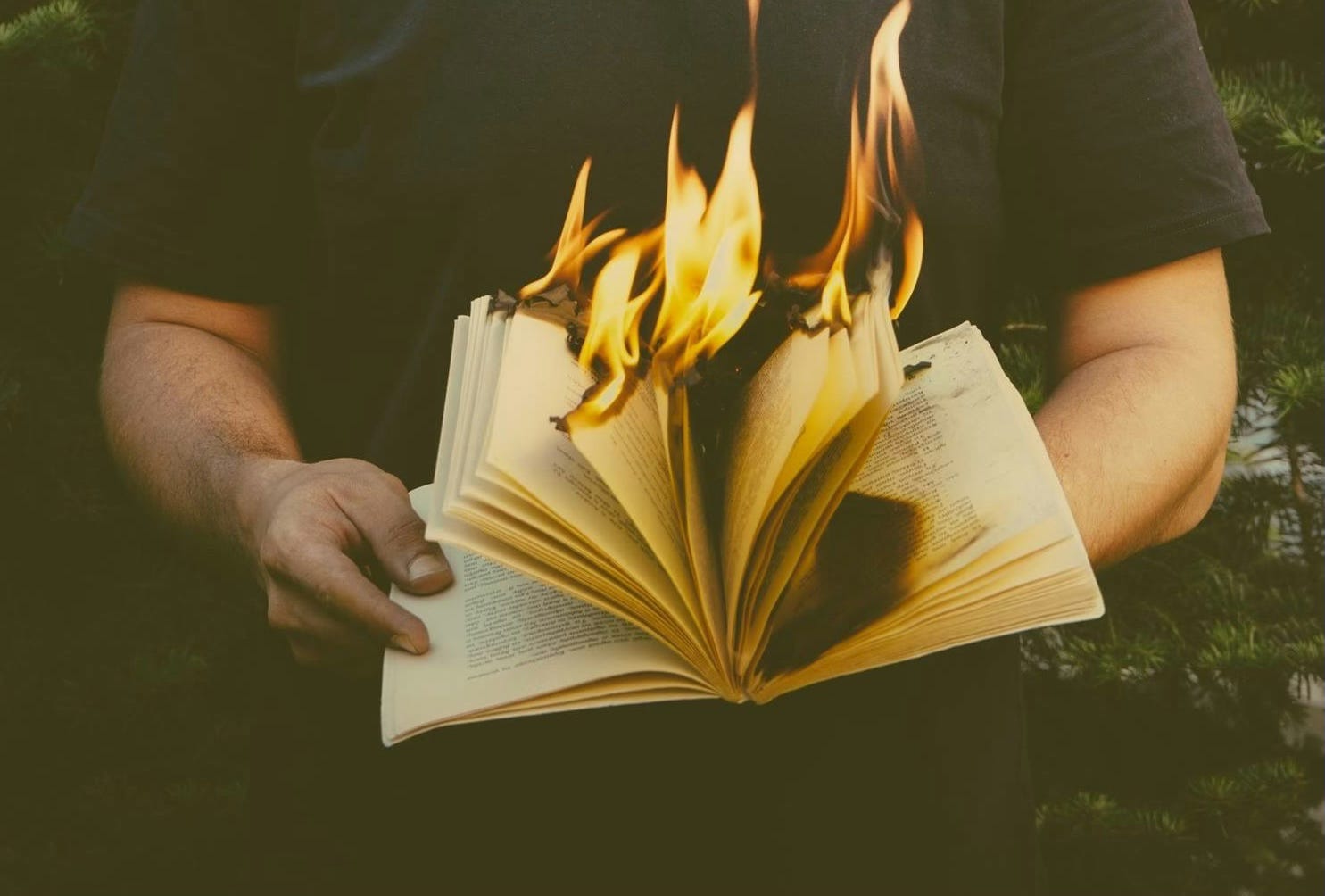
If You Can't Read the Stories, How Do You Understand the Struggles?
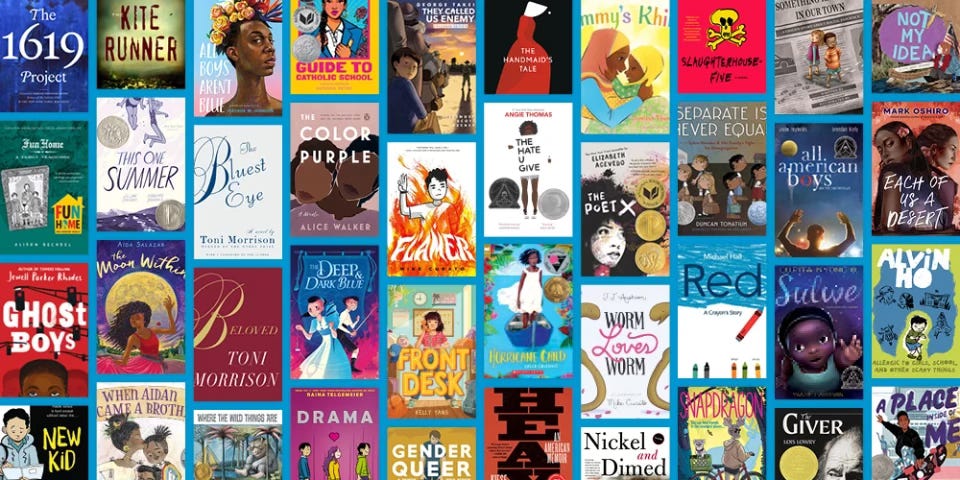
One of the biggest arguments for banning books about racism, LGBTQ+ identities, or historical oppression is that they make white people feel guilty. Let’s be real, that’s not an argument, it’s a fear. A fear that if students learn about the Tulsa Massacre or read the experiences of trans kids, they might start to see the cracks in the system. They might start to ask why things are the way they are. They might start to demand better.
Book bans aren’t about protecting kids; they’re about keeping people in the dark. If students don’t have access to different perspectives, how are they supposed to develop empathy? How are they supposed to understand struggles that aren’t their own? Our experiences don’t exist in a vacuum. How we see the world shapes the decisions we make, the way we treat people, and what we pass down to future generations. Censoring those experiences doesn’t just erase history, it isolates us from one another and makes it easier to justify cruelty.
If you think this is an exaggeration, look at the numbers. In the 2023-2024 school year alone, 44% of banned books featured people of color, and 39% included LGBTQ+ characters.(PEN America) The goal is clear: keep certain voices out of the conversation.
A Nation That Fears Knowledge Is a Nation in Decline
This isn’t just about books. It’s about a larger effort to make sure people don’t have the tools to think critically, and it’s working.
Right now, more than half of U.S. adults—54% or roughly 130 million people—lack basic literacy skills. The number of adults reading at the lowest levels has increased by 9% since 2017. Think about that. If Sofi Stadium in Los Angeles or AT&T Stadium in Dallas were filled to max capacity of 100,000 people, more than half of the crowd would be unable to fully read the program in their hands or navigate a job application without struggling. That’s not just a personal problem, it’s a crisis. A 2020 study found that if we improved literacy rates, the U.S. economy could grow by $2.2 trillion a year. (Source)That’s money lost because people were never given the education they deserve.
When reading becomes an afterthought, when critical thinking is discouraged, and when people are told that learning is “elitist,” it’s easier to manipulate them. Social media thrives on misinformation because outrage keeps us clicking. When people can’t analyze what they read, they’re more likely to fall for propaganda, conspiracy theories, and political fear-mongering. This isn’t accidental. If you don’t know how to question power, you won’t challenge it.
The Price of Isolation and Individualism
We don’t talk enough about what hyper-individualism does to a person, and to a society. We live in a culture that glorifies hustle, surface-level relationships, and transactional success. Everything is about how much money it makes or how many likes it gets. But in the process, we’ve created a world where people feel more alone than ever. Where connection is secondary to competition. Where we’re too exhausted chasing survival to notice that we’re being fed narratives designed to keep us divided.
A society built on disconnection is a society that can’t fight back. That’s the point.
What Can We Do?
If we want a different future, we have to act like it. That means making literacy and critical thinking a priority. That means pushing back against censorship. That means refusing to let ignorance be the default.
For Teachers:
Teach students how to fact-check. Have them analyze real news articles versus clickbait headlines. Show them how to verify sources.
Create spaces for discussion. Let students talk through controversial topics rather than avoiding them. Equip them with the skills to debate, not just react.
For Parents:
Get the banned books yourself. Read them with your kids. Talk about why people might want them removed.
Attend school board meetings. Push back against efforts to censor what students are allowed to read and learn.
Support your local libraries. Many libraries are under attack for carrying diverse books. Check out books, donate, or volunteer to keep them open and accessible.
For Everyone Else:
Engage with ideas outside your comfort zone. Read books by authors who don’t share your background. Listen to perspectives that challenge your views.
Call out misinformation when you see it. If someone shares a false claim, send them a credible source. We can’t afford to let lies go unchecked.
Talk about this. The more we normalize discussions around censorship and literacy, the harder it becomes for those in power to keep people uninformed.
We are at a crossroads. If we keep allowing fear and ignorance to dictate what we teach, what we read, and how we think, we will raise a generation of people who are easier to manipulate, easier to divide, and easier to control. But it doesn’t have to be this way. The more we read widely, the more we understand each other. The more we fight for access to knowledge, the less power fear and misinformation have.
America was supposed to be a place of freedom and opportunity. If we want to keep it that way, we need to pick up the books they don’t want us to read and start asking the questions they don’t want us to ask.