

a turning point in self-discovery and queerness
identifying schooling experiences that shape our world view

I think I’m gay—four words in a 10th-grade English journal that became the turning point in a journey marked by years of turmoil and self-discovery.
Sandwiched between reflections on reading Lord of the Flies and thoughts on how the cross-country season was going, they represented the first time I gave voice to something I had long feared to confront. This thought about myself manifested outside my brain for the first time, but it wasn’t the first time I had faced the complex struggle and overwhelming fear of being different. Although this moment during my sophomore year became a massive milestone in my journey to coming out, it was the experiences that happened up to this point that introduced me to and shaped my understanding of the constructs of sexuality and gender.
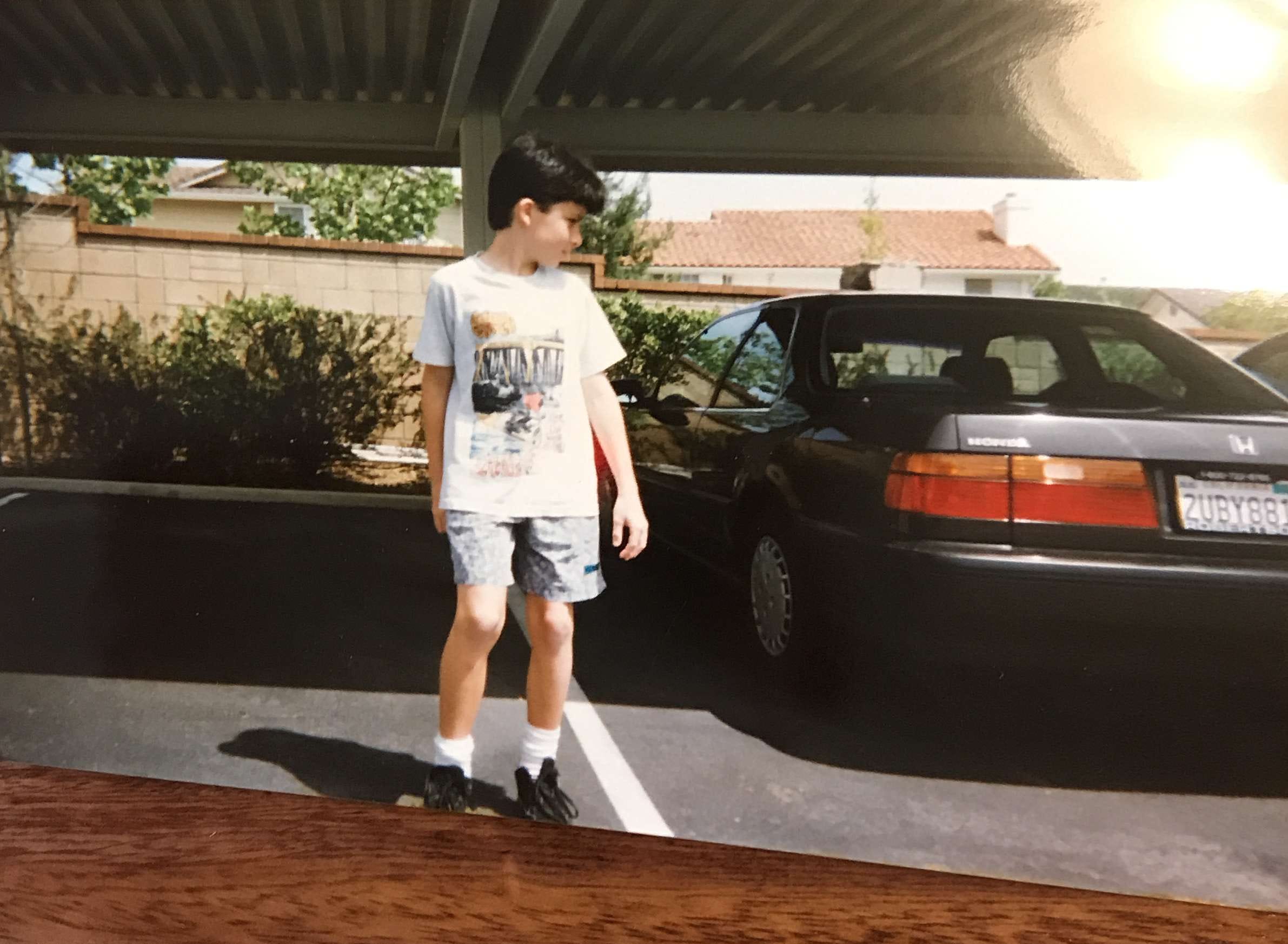
I was in third or fourth grade, sitting in the passenger seat of my dad’s emerald green Thunderbird at the Blockbuster drop-off, when he pushed my back in the car window and sternly said, ‘Only girls and pansies have limp wrists.’ That moment taught me what boys were ‘supposed’ to be—and that I wasn’t meeting those standards. It sat with me for many years, and I found myself constantly assessing what I was doing and evaluating how others might be interpreting my actions - no matter their size. That reality was stress-tested as I entered middle school as a new student to a small, tightly knit community, and found myself making friends with mostly girls, opening myself up to having all my actions labeled as “gay.” At first, this seemed like the standard label of choice for putting down any boy in middle school, but I quickly drew a comparison to what my dad had done years earlier and noticed there was a pattern for attacking the presumed masculinity of a boy by calling him something that was thought to be both non-masculine and socially immoral.
At some point during sixth grade we had to get permission from our parents to attend classes on sex education. At one point someone brought up a gay family member and I recognized the class shift from the awkward giggles normally associated with teenagers discussing sexual health with medically accurate terminology, to one of disgust and disapproval. That’s when I first contemplated my own sexuality and how it may be affecting my personal psyche and relationships with the people around me. I soon found myself leaning into things that were “more masculine” and “less gay” so I could blend into a world that was increasingly revealing itself to be built for other people, not people like me.
Education should empower students to explore their identities and challenge the constructs that confine them.
The following year, in my humanities class, we were assigned a discrimination project where we had to research a marginalized group and the discrimination they faced. I was absent the day topics were selected, so when I returned to class the only topic that remained was LGBTQ+ discrimination – somehow that seemed fitting given the times. Researching LGBTQ+ discrimination in middle school meant sneaking into the library when it was empty and hiding what I read under other books. Even the smallest interactions—like a librarian’s muttered remarks—reinforced the shame I was trying to escape. I quickly learned that the simple task of finding information about LGBTQ history was an oppressive process. At the time, I couldn’t imagine what it would be like if a person’s truth was out in the open for everyone to judge. This reality only added to the fears I already had about the person I thought I might be, and what it would mean if people knew my secret, or somehow already did.
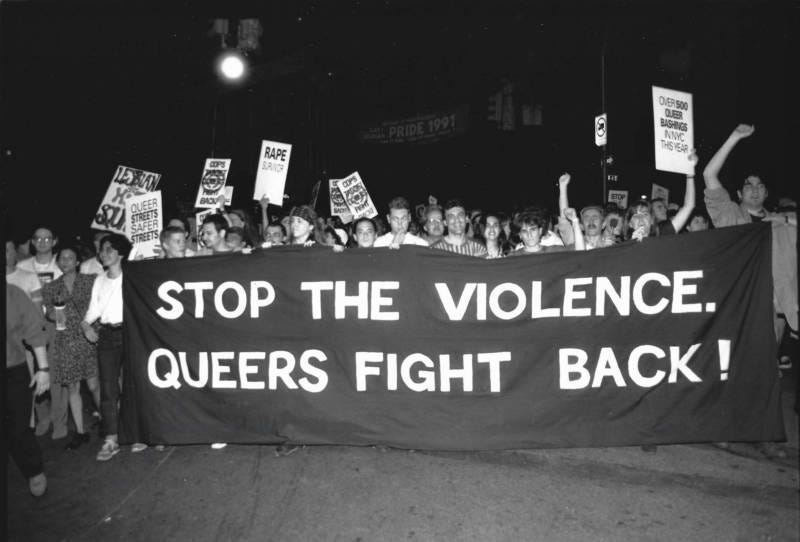
At the time, there were very few resources on LGBTQ+ history and most of the research I was able to find shed light on the criminalization of the community during the HIV/AIDs epidemic, the then recent passage of the Defense of Marriage Act, and a Hawaiian judge ruling that same-sex couples couldn’t be denied marriage licenses. This is when I first learned about the Stonewall uprising, and when I made my first emotional connection to the queer community. I found familiarity in the stories of loneliness and struggle for acceptance they described. It was the first time I had been able to identify portions of myself in others, and shed light on an expression of masculinity I had been hiding in the darkness. As I learned more, I quickly saw the struggle for acceptance and equality met with hostility and rejection at every turn, including the physical violence and intrusion of queer safe places. It dawned on me that self preservation meant reducing the amount of outward facing mannerisms and cues that could be interpreted as gay.
Looking back on it now, my final presentation for that report was my first stepping stone to understanding the importance of visibility. My visual aid was a recreation of stencil that had been spray painted, and later co-opted by activists, on a site where a gay man had been attacked – I traced my own hands, colored in a pink triangle their outline created between them, and recreated the words “a queer was beaten here.” It was in that culminating moment that I recognized the importance of being visible in the face of adversity even if it was with something that I wasn’t ready to confront in my own life - a coming out of sorts.
At 13, just weeks before my 14th birthday, I saw a Channel One News segment about Matthew Shepard, a college student brutally murdered for being gay. My English teacher connected his story to To Kill a Mockingbird, sparking a class conversation on justice and prejudice. It was in the silence, broken only by stolen glances from classmates, that I began confronting my own identity. Later that year, while walking between classes with friends, a couple of them pulled me aside to ask who I was taking to homecoming. After stumbling over excuses, one of them casually asked—using clumsy but well-meaning high school language—if I “putt from the rough” or “played for the other team.” Their phrasing might seem awkward by today’s standards, but in the late ’90s, it was their way of trying to be supportive. And in retrospect, I don’t think they would have made that effort if we hadn’t had teachers who actively encouraged us to connect the classroom to the real world, to look beyond ourselves, and to practice understanding.
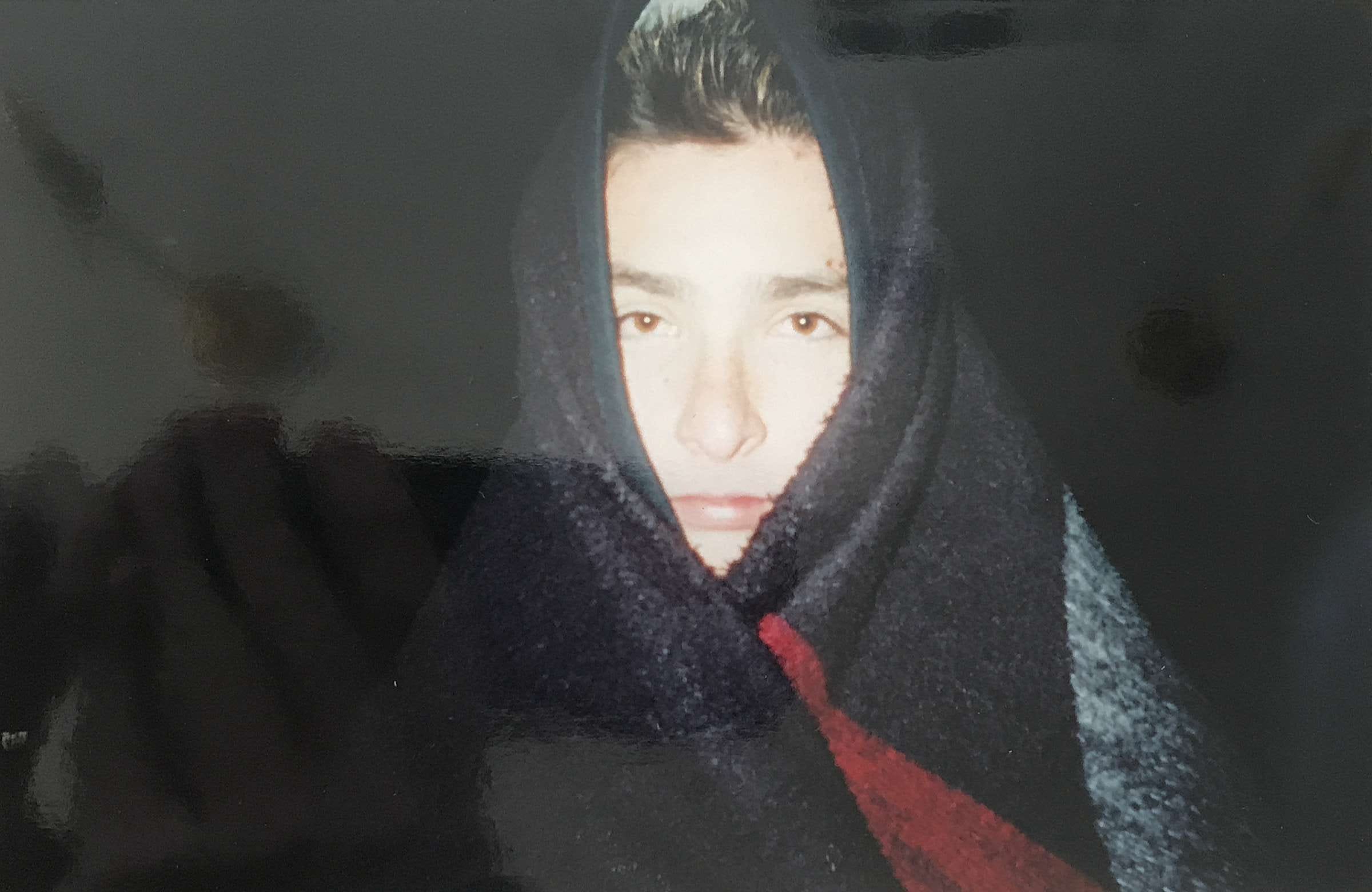
About a year later, I scribbled “I think I’m gay” into my journal. That small act of honesty set off a chain of family events that challenged and deepened my understanding of sexuality, masculinity, and my own queerness. It was a pivotal moment, but its roots were planted in those earlier classroom discussions—moments when teachers helped us explore identity, justice, and our place in a much larger world.
I am grateful for the way my teachers connected our coursework to the events shaping our society and lives. They showed us how to seek information, ask questions, and find historical context, giving us the tools to make a difference. Those experiences didn’t just open my eyes to the world beyond my small, homogeneous suburb; they ignited a lifelong curiosity about identities and histories different from my own. That curiosity now drives my belief in education as a tool for empathy, empowerment, and social progress. By illuminating the constructs that shaped my own life, my teachers also introduced me to the concept of shared human experience. And with that understanding, I became eager to learn more about the challenges, stories, and cultures of others—a curiosity that continues to guide me today.
Education should empower students to explore their identities and challenge the constructs that confine them. By expanding our collective understanding of multicultural influences, we can transform not just classrooms but also the ways we view ourselves and each other.
This was really beautiful to read. I hope you get the chance to share with those teachers how you are paying forward what that small gesture did for you. Thanks for writing this!!
I related to so much of this — both from the perspective of the teacher designing assignments to help students understand themselves AND and the perspective of the kid who used those assignments to realize he way gay. Reading this meant a lot to me — thank you so much for writing and sharing!