

Cortisol, Dopamine, and Rules That Outlast School
From sleep to failure, the lessons that carry on

It’s been a month since I last wrote here. I pressed pause while traveling with my family, and that break reminded me of something I tell my students every year: we have to step out into the world if we want to have anything meaningful to say about it. Which makes back-to-school season the perfect time to talk about how we reset and start again.
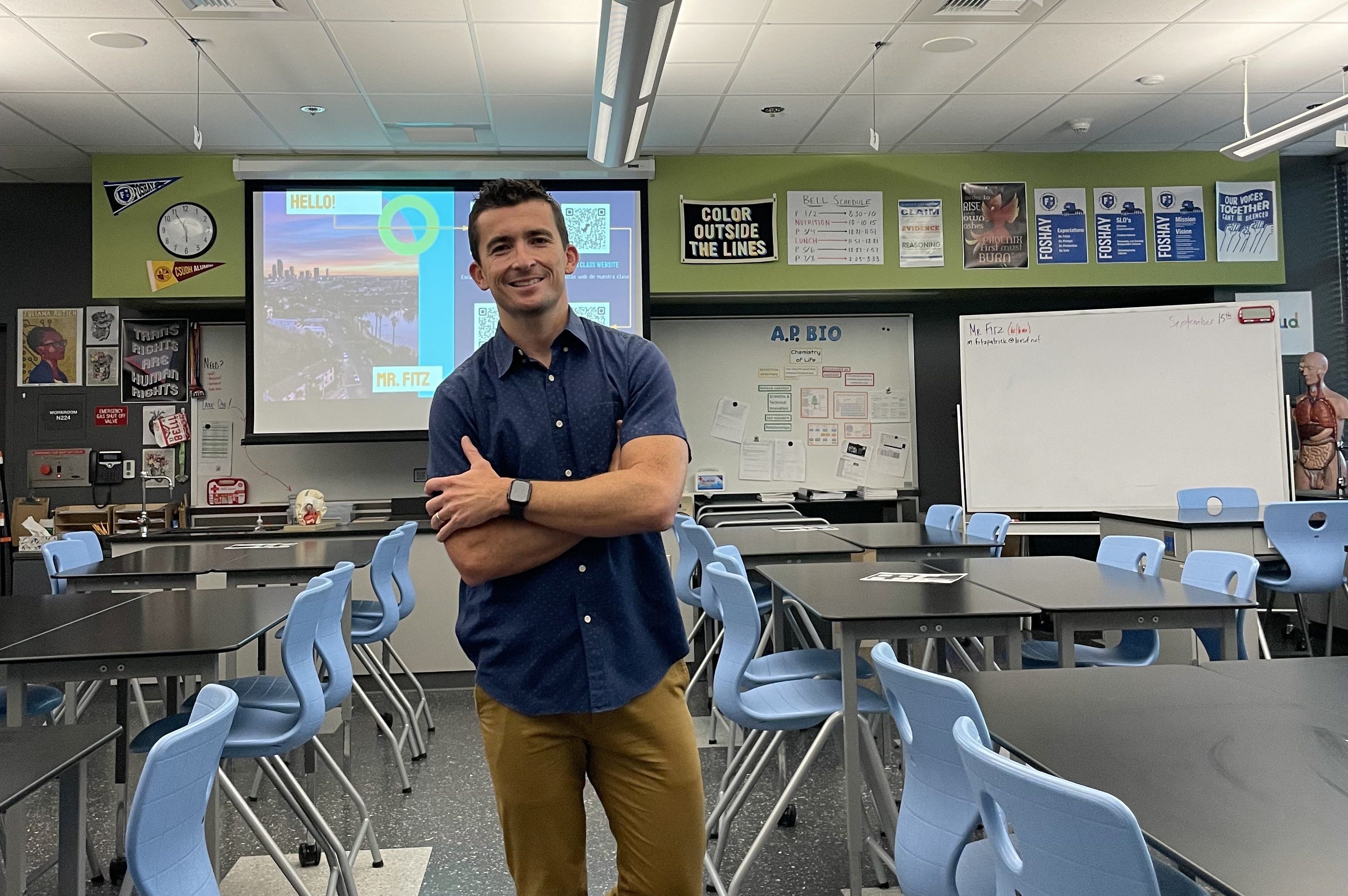
Back to School, for All of Us
Every August, someone will say the key to a good school year is to “build relationships.” Honestly? That phrase makes me roll my eyes. Unless you actually live it out every day, not just in the first week, it’s a performative icebreaker that disappears by October.
No matter if you have kids or not, we can all agree that icebreakers are the dementors of any work meeting. This isn’t just advice for teachers, it’s advice for all of us, grounded in some biology and health science.
Even if you’re not a parent or a student, back-to-school season still has a way of shaping us. September feels like a reset for everyone, a natural chance to take stock.
I once had a colleague whose mantra was, “Don’t smile until winter break.” They meant it as a reminder to stay consistent and rigid with routines, but it always struck me as absurd. Imagine showing up for months without warmth, personality, or any willingness to acknowledge the real baggage kids bring with them. The message was clear: control first, connection later.
If this was a boss at a new job, you’d have a quick read on them: asshole. Yet, we somehow accept this posture as “good teaching.”
The reality is that kids don’t learn from people they don’t trust, and trust isn’t built by being sterile. It’s built by modeling who you are, by listening, by showing them that their questions, their failures, and their lives outside the classroom matter. You can have structure and humanity. They are not opposites.
For kids who already walk into classrooms wondering if they belong, queer kids, kids of color, kids who rarely see themselves reflected, those first weeks are everything. They’re deciding whether school is a place to hide or a place to show up as themselves. The “don’t smile” approach doesn’t just miss the mark. It tells those kids right away: this isn’t for you.
So every year, I tried to set a tone that matched what I said I valued. That meant learning the stories behind students’ names, modeling organization, looping parents in with the same messages kids heard in class, and making sure my classroom reflected the truth I told them: it’s okay to fail, your experiences matter, and your voice belongs here.
There were five reminders I gave my students in those first weeks of school. Looking back now, they’re not just about surviving high school. They’re reminders for parents, for families, and honestly, for all of us.
1. Get sleep.
Every year I’d nag students about sleep, not because I cared if they yawned in class, but because sleep literally changes how our brains work. Humans need 7–10 hours of rest depending on age, yet over 70% of teens, and more than a third of adults, don’t get enough. Lack of sleep affects memory consolidation, reaction time, and even emotional regulation, the very skills we all need to succeed in school, work, and life.
Parents: protect rest like you’d protect the WiFi password. Adults without kids? Same rule. Your hippocampus doesn’t care that you’re 40, it still needs sleep to function. Nothing productive happens when you’re running on fumes.
2. Find a routine.
The first weeks aren’t about perfection, they’re about rhythm. In biology, we call this homeostasis: our bodies crave balance and predictability. Cortisol levels, our stress hormone, spike when routines are chaotic, which makes learning and decision-making harder for all of us.
In my classroom, organization wasn’t about color-coded binders; it was about making sure students knew where to find the lab instructions so the real energy went into asking questions, not finding lost papers. Although my Type A personality loved color coding, the point wasn’t aesthetics, it was ease and familiarity.
At home or at work, routines don’t have to be rigid. They just have to exist. Regular bedtimes, mealtimes, meeting rhythms, or workout habits lower stress and improve focus. Think scaffolding, not shackles.
3. Build a relationship with the teacher.
This one mattered to me. I showed students who I was and backed up my words with action. When I emailed home, parents saw the same message kids heard in class. That’s how trust is built, with consistency.
Neuroscience backs this up: oxytocin, the “trust hormone,” spikes when people feel safe and connected. It primes our brains for learning and collaboration. Without trust, the amygdala, our fear center, stays on high alert, and none of us can focus.
Parents: don’t wait for a crisis to reach out. Send a quick hello, ask a small question, start with trust before you need it. Kids notice when the adults in their life are on the same team. Adults can take the same principle into work, friendships, and families. Trust fuels collaboration anywhere.
4. Hold high expectations.
Every year I told my students: I will never lower the bar for you, but I will always help you reach it. The Pygmalion effect, a classic psychology finding, shows that humans tend to live up (or down) to the expectations set for them. Belief is biology: our dopamine systems light up when we feel both challenged and supported.
Teachers have a name for this balance: the Zone of Proximal Development. It’s the sweet spot between too easy and too hard, where you’re stretched but supported. The same principle applies in adulthood, whether you’re learning a skill at work, building relationships, or just trying to be a better parent.
Expectations are a form of belief. Kids rise when they know we think they can. It doesn’t stop with kids. Think about the boss who pushes you because they see your potential versus the one who assumes you’ll fail. We all grow into the expectations set for us.
5. Talk about effort and failure.
Normalize mistakes early. Celebrate trying. From a neuroscience perspective, mistakes activate the anterior cingulate cortex, the part of the brain that helps us learn and adapt. In other words: failure literally wires the brain for growth, no matter your age.
In my classroom, I wanted students to know failure wasn’t a dead-end but a signpost. That’s why I used and advocated for mastery grading, because a single test score doesn’t define a person. What matters is revising, reflecting, and growing over time. Parents, you can do this too. Make failure part of the dinner table conversation instead of a source of shame.
Adults need the same reminder. Failure at work, in relationships, or in personal goals isn’t the end, it’s feedback. The way we frame effort and failure in September shapes how kids, and all of us, see ourselves in May.
Back-to-school, even if you’re not in school.
Back-to-school isn’t just for kids. September still feels like a reset, a chance to break the year into chapters and ask: What am I setting up for myself this season?
Think of it as your own semester. Focus on one or two priorities, like sleep, routines, or a creative project, and let the rest follow.
These aren’t just life hacks, they’re the foundations of mastery learning, equity, and rejecting compliance culture. We don’t thrive by policing kids into silence or rewarding perfection. We thrive when we build systems that make curiosity and growth possible for everyone.
Back-to-school isn’t about new pencils. It’s about new patterns. Rest, routines, trust, expectations, and effort, the things that set us all up to win.
When you think about your own school days, what lesson, rule, or habit stuck with you, and how does it still show up in your life now? I’d love to hear your reflections. Better yet, what’s something ridiculous a teacher told you, and you still remember as a reminder of bad advice?
I especially agree with the "Normalize mistakes early. Celebrate trying" part -- that needs to be a foundational skill in elementary school. Kids transitioning from 5/6th grade to junior high or 7/8th to high school had better know that it's better to TRY than not put any effort it, or expect others (or parents) to do the work. Taking responsibility for yourself and becoming self-reliant are important tools for later success. Thanks for the sleep reminder, too!