

Getting Lost Used to Feel Good
A case for curiosity in a measured world

I’ve been thinking a lot about reading this year. Not in a productivity sort of way. Not in a “how many books did I finish” way. More in a “why has this always mattered to me” way. (For a list of all of the books I read this year, you can click here)
Some of my earliest memories are of being a quiet kid who read. I remember being excited to go to the grocery store because there used to be a small rack of books near the front. I remember scanning the covers, trying to decide which world I wanted to beg my mom to buy so I could disappear into it. That’s where I found The Lost World. I remember setting up a fort in the bedroom I shared with my brother and spending an entire weekend inside it, tearing through it, Jumanji, or The Hatchet, barely surfacing except for snacks.
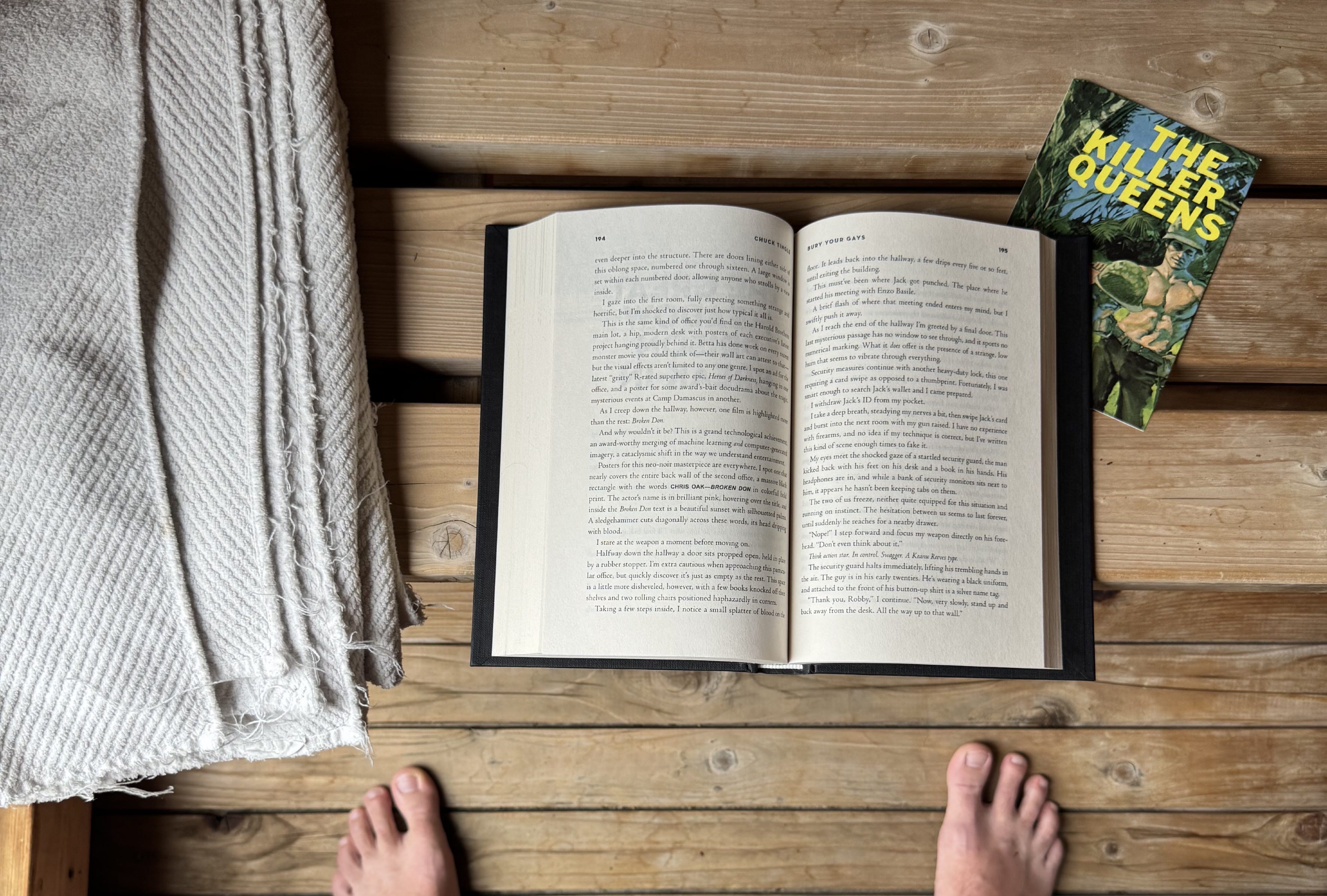
Reading was how I got lost. It was how I felt safe. It was how I made sense of things without having to explain myself to anyone else.
I didn’t know it then, but reading was also how I learned to be curious. To sit with ideas and follow questions instead of answers. To live inside someone else’s perspective for a while without needing to win anything.
Now, when people talk about falling literacy rates or kids not reading anymore, the conversation almost always turns into panic. Screens. Phones. Attention spans. AI. Moral decline. It feels reactive, like we’re diagnosing a problem without remembering what reading actually does for a person.
For me, reading was never about compliance. It wasn’t about proving I could decode words fast enough or finish a chapter by Friday. It was about understanding. It was about wonder. It was about wanting to understand more than what was right in front of me.
That hasn’t changed. What has changed is why I read.
I don’t read now to escape the world. I read to understand it.
Because often, I want to escape it.
To understand people. Systems. Power. Bodies. History. Love. Violence. Faith. Science. The quiet choices people make and the loud ones they regret.
Reading is still how I slow myself down when everything feels loud. It’s how I resist the constant demand to react instead of reflect. It’s how I remind myself that complexity and nuance exists even when the online dumpster fire pretends it doesn’t.
Somewhere along the way, I started wondering if my relationship with reading is becoming less common. Not because people don’t care, but because the conditions that make reading feel possible are disappearing.
A recent study found that reading for pleasure in the United States has dropped by nearly forty percent over the last two decades. That includes print books, ebooks, audiobooks. All of it. What struck me most was not just the number, but who is being left out. The people under the most pressure, with the least access to time and stability, are reading the least. And almost no one is reading with their kids anymore.
So when I hear about literacy declining, I don’t think the solution is more pressure or more testing or more shame. I think the solution is remembering why reading mattered to us in the first place. Not as a skill to be measured, but as a relationship to be built.
This year, I realized that the books I loved most weren’t all in one genre. They weren’t all easy. They weren’t all comforting. But every one of them fed my curiosity in a different way.
Here are a few that stayed with me:
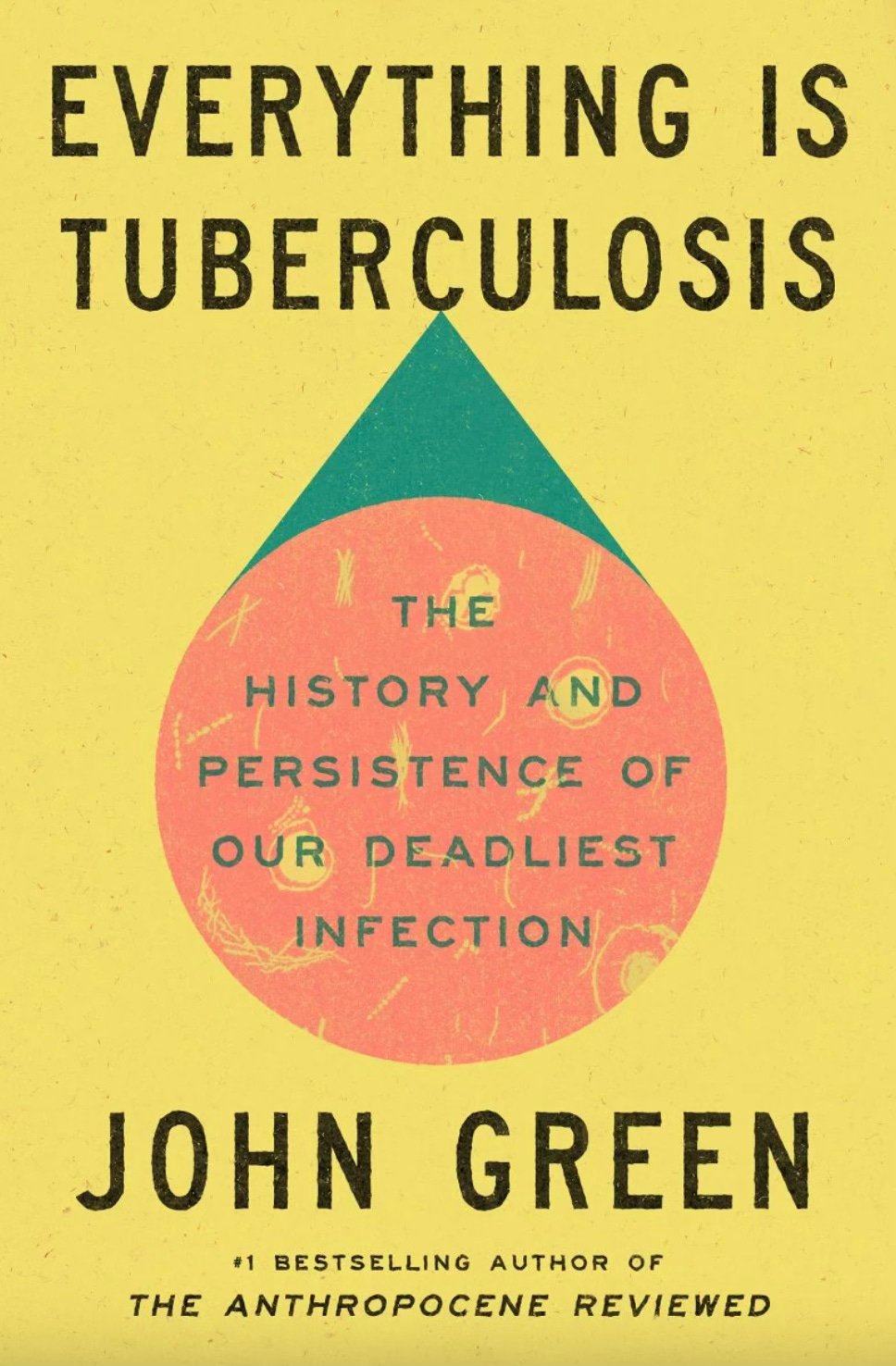
Everything Is Tuberculosis — John Green
This book hit the part of my brain that lights up when history, medicine, culture, and human behavior collide. Tuberculosis isn’t just a disease here. It’s a lens. For centuries, it was romanticized as consumption, a poetic illness supposedly reserved for the sensitive and the artistic. People believed it refined the soul even as it destroyed the body. Early death was tragic, yes, but also meaningful. How wild is that.
What makes the book so compelling is watching that story unravel. The moment science identified TB as a bacterial disease tied to poverty, overcrowding, and access to care, the romance vanished. The illness didn’t change. The narrative did. Suddenly it wasn’t poetic. It was shameful. The people dying from it stopped being tragic figures and started being blamed.
I couldn’t put this down because it made me keep asking the same question: what does the way we talk about illness say about how we think about death, responsibility, and whose lives matter? Green somehow takes something as specific as tuberculosis and connects it to everything from global health policy to everyday objects and cultural myths. It’s unsettling, fascinating, and impossible not to think about once you start. If you’re even remotely curious about how humans make meaning out of suffering, I don’t know how you wouldn’t find this gripping.
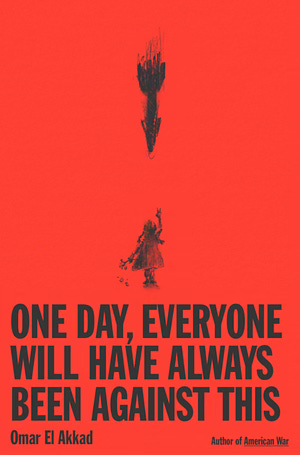
One Day, Everyone Will Have Always Been Against This — Omar El Akkad
This book felt like someone finally saying the quiet part out loud and refusing to soften it for comfort. It’s a devastating, clear-eyed look at Gaza and the moral gymnastics people perform to look away from genocide happening in real time. What kept me hooked wasn’t just the politics, but the question pulsing underneath every page: how can so many people witness atrocity in real time and still find ways to look away? It’s infuriating, sobering, and impossible to dismiss.
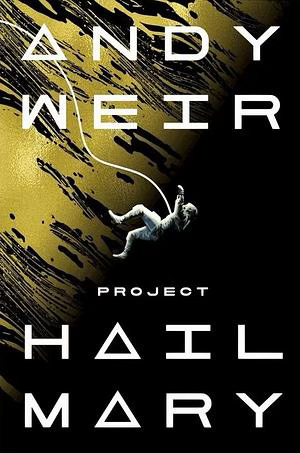
Project Hail Mary — Andy Weir
This is pure curiosity fuel. Science, space, aliens, problem-solving, and the deeply human impulse to keep asking “what if?” even when everything feels impossible. It’s nerdy in the best way, wildly imaginative, and quietly emotional. What I kept coming back to is how hopeful it is about human ingenuity without being naive. It made me remember why I fell in love with science in the first place and is a reminder that imagination and intelligence don’t have to be cynical to be meaningful.
If you’ve ever wanted to disappear into a story that makes you feel smarter, more curious, and oddly optimistic, this is the one. Also, read it before the movie comes out in 2026.
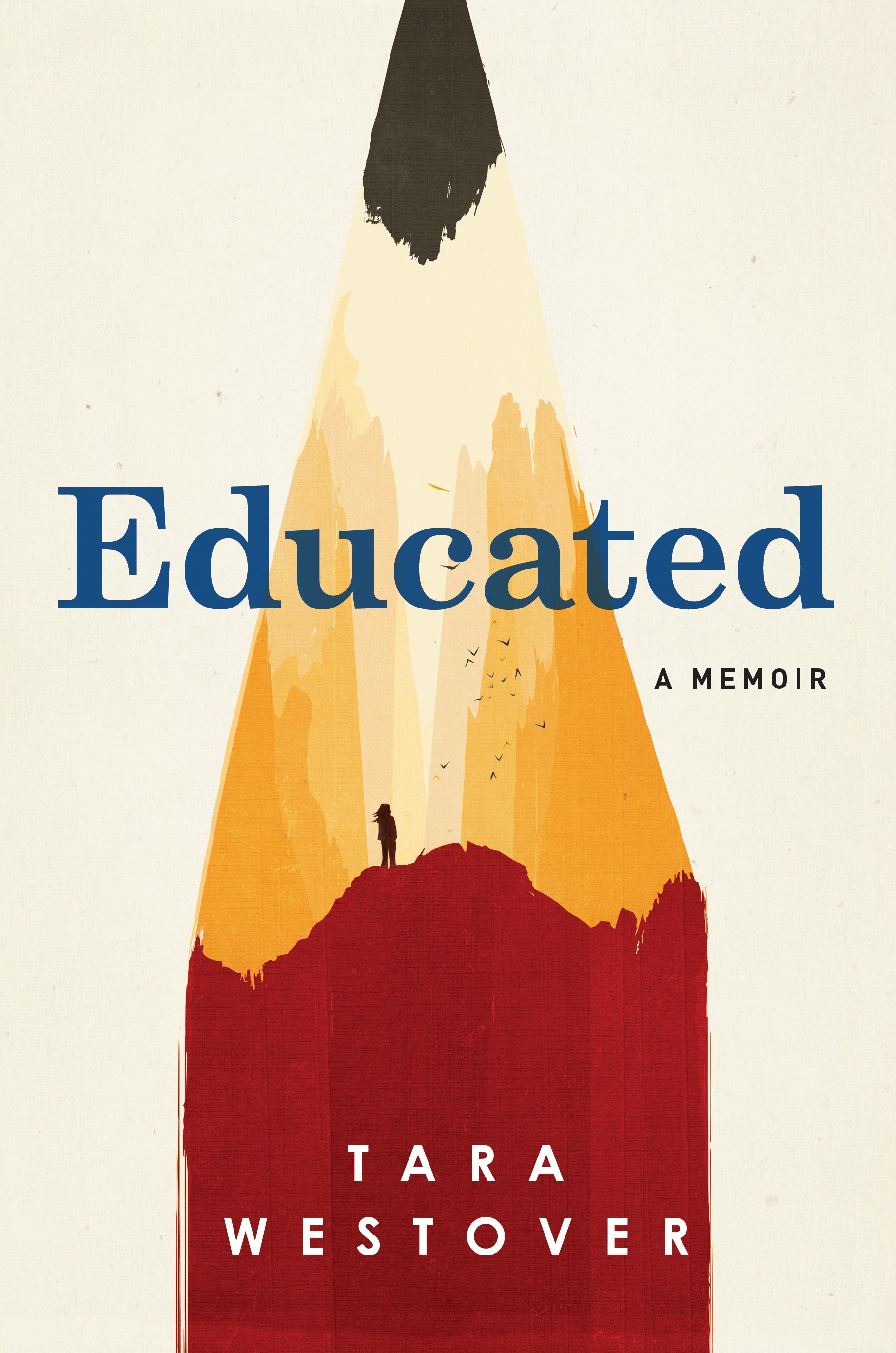
Educated — Tara Westover
My stomach was in knots the entire time. It’s a brutal, intimate look at what it costs to choose education when it puts you at odds with your family, your faith, and the world you were raised to believe in. What kept pulling me forward wasn’t just the trauma, but the tension between loyalty and curiosity. Watching someone fight for knowledge while being punished for it over and over again is devastating. It’s a reminder that learning isn’t always encouraged and that curiosity can feel like betrayal in systems built on obedience.
Tara’s story made me think about how threatening curiosity can be to systems that rely on obedience.
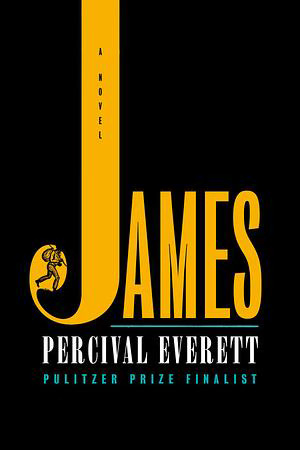
James — Percival Everett
This book is such a smart act of reclamation. Taking Huckleberry Finn and retelling it from James’s perspective doesn’t just shift the point of view. It completely rewires the story. The narrative device is brilliant, the voice is sharp, and the way it interrogates language, power, and survival kept me glued. I loved how it forces you to confront whose interior lives we’ve been trained to ignore.
And the ending? One of the most satisfying I’ve read in a long time.
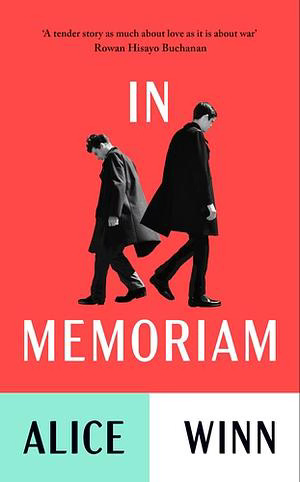
In Memoriam — Alice Winn
This one surprised me with how tender and immersive it is. A queer love story set during World War I, told with restraint, intimacy, and devastating beauty. What drew me in wasn’t just the romance, but how human everything felt. Desire, fear, loyalty, grief, all unfolding against a backdrop that refuses to make room for softness. It’s the kind of book that reminds you why love stories matter, especially in the middle of violence. Quietly political, deeply emotional, and easy to fall into.
Thanks to Aidan Wharton over at Gay Buffet for recommending this one!
I don’t know how to fix literacy at scale in a country obsessed with speed and metrics. But I do know that reading has always been about more than decoding words on a page.
It’s about getting lost.
It’s about asking better questions.
It’s about learning how to sit with discomfort instead of scrolling past it.
For me, reading is still how I make sense of the world. And maybe that’s the place we need to start again.
Wonderful article 👏