

If We’re Going to Rage, Let’s Build Something With It
I’m done with burnout-posts and ready to create tools, parent-teacher-student community, and curriculum that actually move us forward.

When I hit publish on my first Substack post, I didn’t know exactly what it was. I just knew I had things to say. Things I couldn’t (and wouldn’t) say in the classroom, things I didn’t have time to say in staff meetings, and things I didn’t trust would be heard by the people who needed to hear them most. Mostly, I was writing through exhaustion and frustration, trying to process what was happening around me, trying not to disappear inside it.
So if you’ve been here since the early posts, thank you. Those essays were raw, honest and often heavy. They needed to be.
The heaviness I carried into those early posts always felt a little off. I’ve never been one to shy away from hard truths or difficult conversations, but I’ve also always believed that if you’re going to name the problem, you better be willing to do the work. I started to feel like I was just adding to the already massive pile of frustration and cynicism, and somehow slipping into the habits and tone of educators and online voices who only seemed to fuel the rage machine.
If I’m going to rage about something, I want to put that energy to good use. I want to build with it.
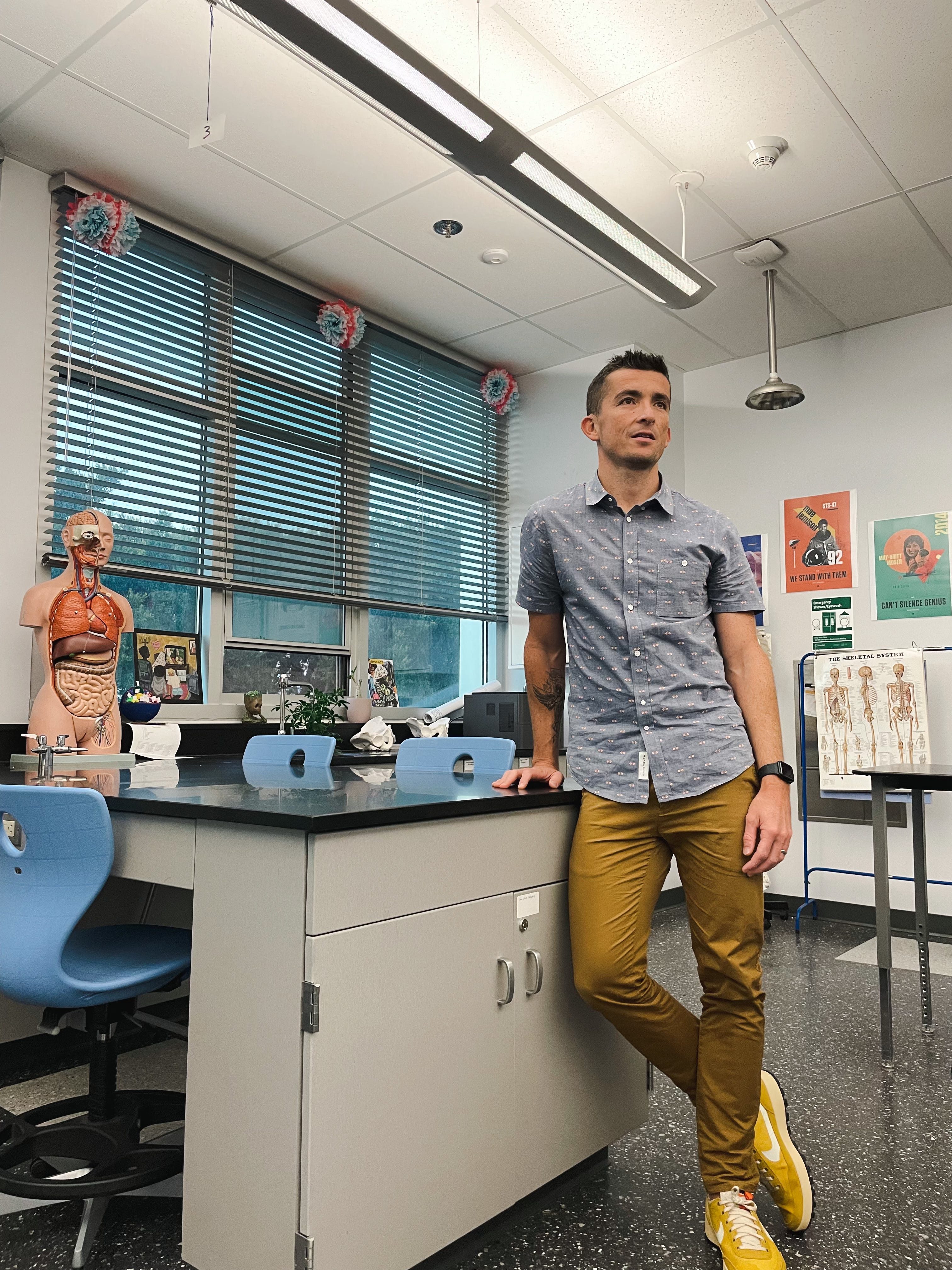
I left the classroom. I became a parent. I stepped back from the day-to-day to try and see the whole picture, and now, I want to build something forward.
Here’s the context I haven’t always fully laid out: I didn’t come into education the traditional way. I spent 10+ years in advertising before becoming a public school teacher. That background shaped how I see systems, communication, and accountability, and made it impossible for me to ignore the disconnect between what schools say they value and how they actually operate.
When I did get into education, I taught middle school science before focusing on high school Health, Biology, AP Biology, and Physiology. Along the way, I earned a Master’s in Curriculum & Instruction, and became a certified mastery grading facilitator, because the deeper I got into the profession, the more I realized how much we’ve normalized practices that harm curiosity and punish imperfection.
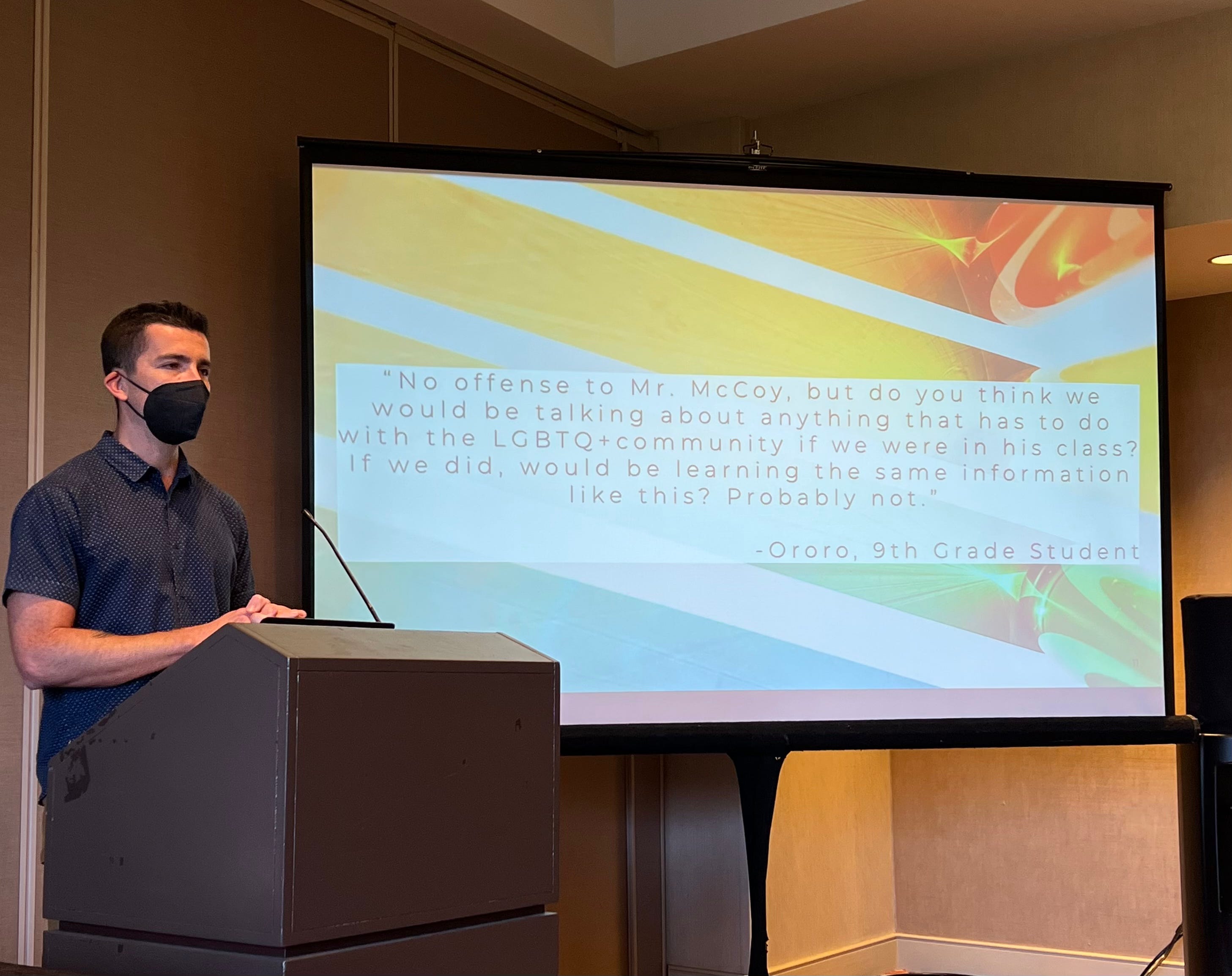
In 2022, I presented Hacking the System: Digital Technologies, Social Media, and Action Research in a Health Science Classroom at the American Educational Research Association (AERA) Annual Meeting. It was a meaningful experience, as I have a genuine fondness for the academic and detail-oriented world of educational research. But I also often felt like I was preaching to the choir, or worse, like I didn’t quite belong. I didn’t want to speak in a way that felt purely “academic.” I wanted to tell a story. I wanted to share something people could actually use. Something that felt relatable, accessible, doable in real classrooms and schools.
Even with the research, the degree, the peer conversations and shared ideas, I kept hitting the same wall: unless your district, school, or staff operated in some ideal conditions, and we all know many don’t, then all of the best intentions and new approaches just floated into the void. Or worse, they were at faculty meetings and highlighted at school board meetings, but were given only enough attention and thought to spark a headline or conversation and were then left to collect cobwebs and repackaged the following year to meet the same fate.
Here’s something else I believe, something I’ve come to learn from being both inside and outside of education: we cannot fix the challenges of education by excluding the "real world" that schools claim to be preparing students for.
We also can’t hand everything over to the corporate and business world, replicating toxic workplace culture under the guise of innovation or efficiency. We can’t let pedagogy be replaced by productivity. We can’t turn students into obedient workers. We need to work together.
We need to stop seeing ambitious and excited teachers as naïve or “not broken down yet.” We can’t keep waiting for them to get worn out before we take them seriously. We can’t keep slapping new labels and new language on top of the same problems, layering systems with fresh names onto structures that don’t serve anyone well. Ignoring what the data is telling us and outsourcing our problems to the highest bidder with the latest “solution” guaranteed to revolutionize education, also isn’t part of the solution.
I’ve sat in too many classrooms, too many PDs, and too many parent meetings to pretend we’re anywhere close to getting it right, or that I have all the answers.
I’ve seen teachers more concerned with asserting dominance than supporting new teachers or students.
I’ve watched parents show up wanting to be involved, but get shut down or demoralized by disorganized classrooms and defensive administrators.
I’ve felt the combined complacency of a system that runs on going through the motions and the bitterness that comes from years of watching people let it.
Worst of all, I’ve seen students watch it all. They know when the adults around them don’t want to be there. They know who’s faking it, and they both use that knowledge and match that energy. Sometimes to protect themselves. Sometimes to disengage. Sometimes just to survive.
This newsletter isn’t just written for others, it’s written for the teacher I always strove to be. The one who gave up their prep period to support anyone who wanted to collaborate on curriculum, who stayed late to workshop mastery grading strategies, who constantly asked: how do we make this meaningful for students and sustainable for us?
I wanted a resource. A sounding board. A community of others who weren’t afraid to think big, try something different, and believe that energy was worth something. I wanted that without losing myself in the process, because even though I cared deeply about my work, education couldn’t be the only thing my life revolved around. When I didn’t have the space or time to pursue anything outside of the classroom, I wasn’t in a good place to grow personally or adapt professionally.
That’s the real context, the “why” if we really want to go there. That’s what I want to write into.
BUT NOT JUST WRITE. DO. TOGETHER.
This space isn’t about calling out problems without a plan. And it’s not about pretending I have every answer. It’s about building what’s missing.
That means:
- Tools for parents who want to support their kids but feel shut out
- Strategies for teachers who know the system isn’t working but aren’t sure what to do instead
- Resources that challenge the status quo without burning everyone out in the process
This isn’t about being the expert. It’s about building a better version, and being more than ok with leaving some things in the past.
Every other week, I’ll publish a newsletter that offers both reflection and real tools. Resources for mastery grading. Conversation guides for families. Planning templates. Resources to cultivate community in your community. Things you can use now, and things you can build from later.
In between, I’ll still write. Still share stories. Still show up with questions. But there’s a direction now. A rhythm. A blueprint forming.
And if you’re someone who’s been asking, “what are we doing here?” you’re exactly who I’m writing for and want to build with.
Because I’ve asked that too. I still am.
But I’ve also started to answer it.
I hope what’s to come will do the same for you, and you feel welcomed, empowered, and willing to join in and add your perspective to what we are going to do here.
-matt