

How to Lose a Teacher in 5 Years (Part 2)
The Weaponization of Policy

One day after spring break, my classroom door flew open between classes. Students rushed in, panicked. “They’re pulling kids out of class,” they said. “They’re asking about Costa Rica.”
They weren’t being recognized. They weren’t sharing what they learned. They were being interrogated.
That is how I found out our trip was suddenly under investigation.
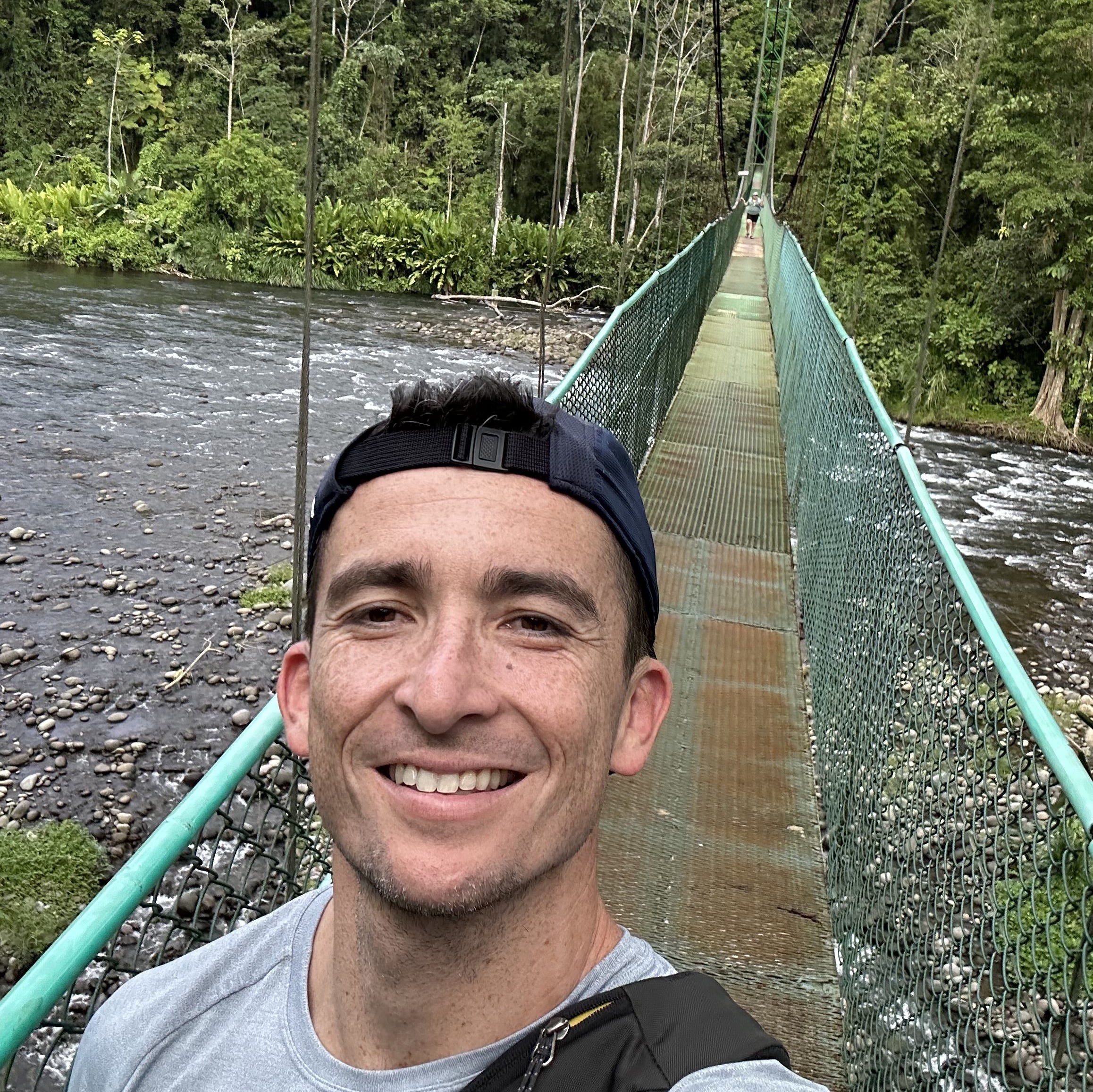
A trip run through a district-approved vendor. A trip parents had signed onto and attended. A trip that went off without a single incident. No one had even bothered to talk to me, the person who coordinated it and could answer every question.
Students were left scared, confused, and wondering if they had stepped into something they should not have, all because success seemed to be reframed as suspicion by school site leadership.
When vague words and silence did not work, the administration turned to policy. Here’s the thing: policy isn’t neutral.
(If you missed Part One—on how “we’re family” gets weaponized to demand silence and compliance—you can read/listen to it here.)
The Costa Rica Flashpoint
Coming out of COVID, I wanted students to have something big to look forward to. Something beyond endless test prep and the computer programs being sold as the fix for learning loss.
As a Biology teacher, I always aimed to connect classwork to the world students lived in, so taking them to see biodiversity firsthand was the obvious choice. I organized a trip to Costa Rica through a district-approved vendor, the same one many other schools were using.
Posters for the trip hung outside my classroom for months. No one raised an issue until the day before a school site visit from officials within the district. School site leadership suddenly flagged the poster as a “policy concern.” The concern did not appear to be about student safety, but about optics with their supervisor’s visit.
During that same site visit, my class was showcased as a model of success.
What Administrators Are Supposed to Do
For anyone outside education, the role of administrators is simple: make sure students, parents, and teachers succeed. That means safe facilities, proper materials, and the support needed to follow policies. When campuses fall short, leaders should step in to guide and realign.
In many cases, policies make sense. They’re often written after something goes wrong, like a student being injured on a field trip. Insurance, chaperone ratios, transportation guidelines—these protect both students and staff. That’s how schools balance safety and meaningful learning.
That is not what happened here.
I was using a district-approved vendor. Other schools were using the same vendor. School site leadership saw the posters every day. If there were steps to follow, it was their responsibility to provide the paperwork and guidance.
That support never came. Concerns were raised late, policies were cited without clarification, and even after I asked for the necessary information, I was left without clear direction. Since no follow-up or documentation ever came, I assumed any issue that had been raised was either resolved or never considered significant in the first place.
That did not feel like support. It felt like policy was being applied in a way that undermined trust rather than fostering collaboration.
The Trip That Worked
The remarkable part is that the trip went off without a hitch.
We took teenagers to Costa Rica for spring break and nothing happened. No prank calls to the hotel front desk. No lost passports. Not even a broken lamp. Just kids learning and being kids.
Students rafted through rainforests, hiked a volcano, and spoke with local guides. They came home changed.
This is the kind of learning people say they want schools to provide—real-world, hands-on, unforgettable. The kind that can’t be measured by a test but stays with students long after a semester ends.


Policies Written for Lawyers, Not Learners
Yet, even after a successful trip, school site leadership began pulling students aside, asking about the trip and probing for concerns. It felt like they were searching for something negative that could be used against me.
Fortunately, before we left to Costa Rica, I had followed up in writing about the so-called “policy” that had been referenced. I asked for the paperwork to formalize it. They even acknowledged the trip by email but the forms never materialized.
To my knowledge, I followed the same process used by other teachers. I was never informed of any violation. No students were harmed, and no formal complaints were issued to me.
Schools will tell you their policies exist to protect. Protect students. Protect teachers. Protect the district.
In my experience, protection was not the point. Risk management was.
Most policies are written or shaped by lawyers. Lawyers are trained to avoid risk, not to foster care and learning. The result: rules that read more like terms and conditions, like an “I agree” button you click in order to keep teaching.
It often felt similar to how HR works in other industries—focused more on protecting the institution than the people inside it. Schools are no different. On paper, everyone is protected. In practice, no one is—especially the people who care the most.
Let’s be honest: that’s not protection. Policies became shields for them and weapons against us.
Process as Punishment
The investigation that followed was not about students. It was not about safety. It was not even about policy.
It was about process.
Endless meetings. Paper trails. Memos that created the illusion of accountability while doing nothing to actually protect anyone.
When rules are written by lawyers and enforced by managers who fear liability more than they value people, procedure replaces justice. Process becomes punishment and fear.
The goal did not appear to be resolution. It felt like exhaustion.
I was tangled in red tape, left defending myself in a system they controlled. Over time, it left me feeling worn down, as if the goal was to make fighting back harder than giving in.
The message was clear: step outside the lines, even for your students, and you will be the one investigated.
The Bigger Problem
This is not just my story.
If you have worked in schools, or in any overly bureaucratic workplace, you have seen this. Rules so broad they can be applied to anything. Processes so slow they suffocate solutions. Language that promises protection but delivers punishment.
Just like “family” was language that masked control, “protection” is language that masks punishment.
It creates a culture where doing nothing is safer than doing something. The people who push for more—more equity, more creativity, more opportunity—get sidelined. Protecting the status quo matters more than protecting people.
Here’s the irony: the very things students and families say they want—learning that is real-world, hands-on, and lasting—are often the first things undermined by systems more invested in compliance than in care.
In education, students lose the most.
When Identity Becomes the Target
For me, policy was not just a road bump on the path to progress. It became the tool used to silence me, isolate me, and paint me as a problem.
Policy was only the middle layer of this story.
What really put a target on my back was not paperwork.
It was visibility.
Being openly queer, in my experience, often felt like a liability in a system that claimed inclusivity but applied it unevenly. And the very teachers who step up to support marginalized students—the ones who show up, create safe spaces, and refuse to disappear or be silent—are often the ones who face the greatest risk.
That is where Part 3 begins.
The above is my lived experience in public education. It’s not a legal claim—it’s a reflection. And it’s mine to tell.
WOW. It's sad to think you were treated so badly. When "business" (the numbers game, the policies to protect you talk about) interferes with creativity, teachers, artists, musicians, writers are as affected as the audience (kids, readers, listeners, etc) suffers. Everyone loses.